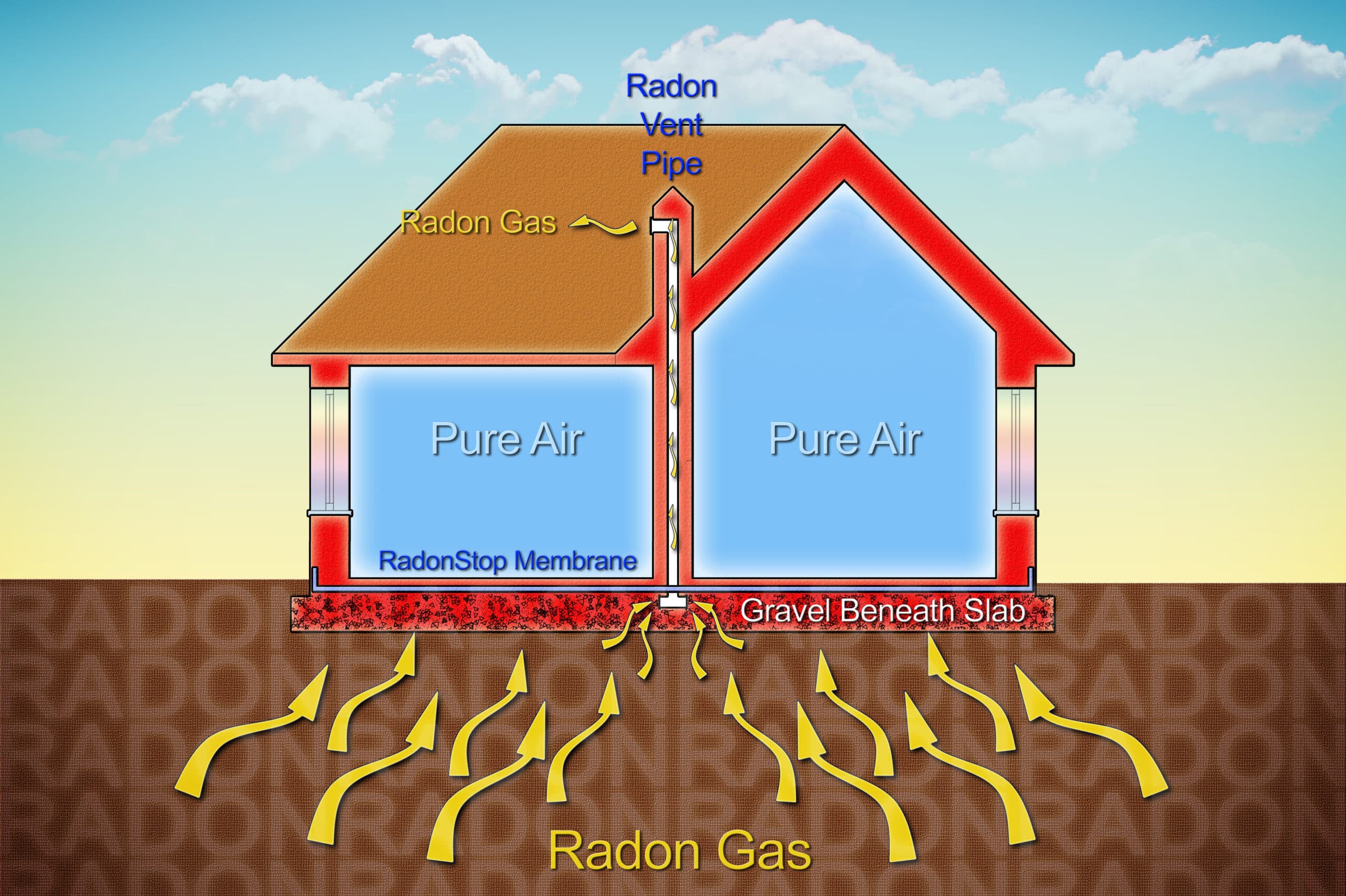
Most people have heard of radon, but few understand how serious the risk really is. Radon is a naturally occurring radioactive gas that forms from the breakdown of uranium in soil and rock. It seeps into homes through cracks in foundations, gaps around pipes, and other openings — and it is completely invisible and odorless.
According to the EPA, radon is the second leading cause of lung cancer in the United States, responsible for approximately 21,000 deaths per year. And Tennessee is not immune.
Is Radon a Problem in Tennessee?
Yes. Radon can be found in homes across Tennessee, including Middle Tennessee communities like Mt. Juliet, Lebanon, Gallatin, Murfreesboro, Hendersonville, Franklin, and Smyrna. While some regions of the state show higher average radon levels than others, no area is entirely risk-free.
The only way to know whether your home has elevated radon levels is to test it. You cannot smell it, see it, or taste it — testing is the only answer.
What Level of Radon Is Dangerous?
The EPA recommends taking action to reduce radon levels in your home if the concentration is 4 pCi/L (picocuries per liter) or higher. However, even levels between 2 and 4 pCi/L pose some risk, and the EPA recommends considering mitigation in that range as well.
The national average indoor radon level is about 1.3 pCi/L, and outdoor air is typically around 0.4 pCi/L.
How Is Radon Testing Done?
There are several methods for radon testing. At InspectShield, Thomas Smith uses IAC2-certified radon testing protocols to ensure accurate, reliable results.
Testing is non-invasive and straightforward. A monitor is placed in the lowest livable area of the home — typically a basement or first floor — and left in place for a set period. Results are reported clearly so you can understand what they mean and what to do next.
What If My Home Tests High?
If your home tests above 4 pCi/L, do not panic. Radon mitigation systems are highly effective and relatively affordable. A radon mitigation contractor can typically reduce levels to below 2 pCi/L in most homes.
The key is knowing — and you can only know if you test.
Radon Testing When Buying or Selling
If you are buying a home in Middle Tennessee, radon testing should be part of your inspection process. If elevated levels are found, you can negotiate with the seller to have a mitigation system installed before closing.
If you are selling, proactively testing and — if needed — mitigating radon can make your home more attractive to buyers and eliminate a potential negotiation point.
IAC2 Certified Radon Testing with InspectShield
Thomas Smith holds IAC2 certification for radon testing, giving you confidence that your test is performed by a credentialed professional using proper protocols.
InspectShield offers radon testing as a standalone service or as part of a complete home inspection throughout Middle Tennessee. Contact us today to schedule your test and get the peace of mind you deserve.